

Design Blogs

Coastal Wall Art Ideas for an Australian Summer Home
From the Twelve Apostles to quiet sandy waves, here is how to bring the coast inside this summer with wall art prints that suit Australian homes.
Learn more
Transforming Empty Walls into Remarkable Spaces: Curated Wall Art Concepts for Every Aesthetic
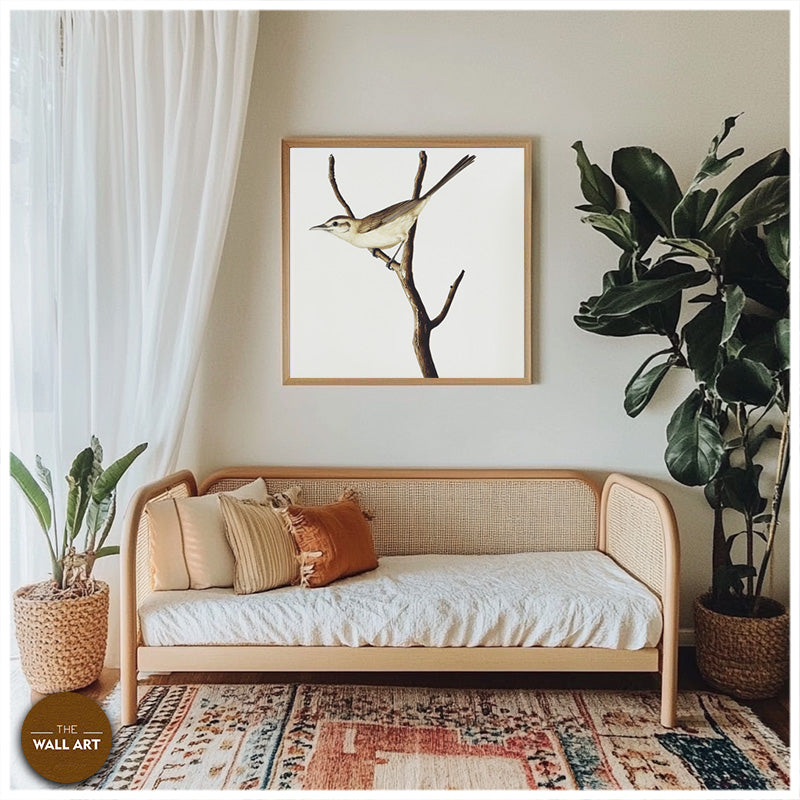
Wall art is one of the most effective tools in interior design, capable of transforming an otherwise bare or unremarkable wall into a powerful focal point. The right wall piece has the ability to elevate a space, define its aesthetic, and reflect the personality and values of those who inhabit it. In 2025, wall art is not just about decoration; it's a key element in creating a cohesive and engaging living environment. Whether the goal is to bring a touch of elegance, vibrancy, or calm, curated art can be strategically selected to enhance any room. This research explores how to transform empty walls into remarkable spaces through art that suits a variety of styles, from minimalist to maximalist, and everything in between. The Impact of Wall Art on Interior Design Before diving into specific concepts, it’s essential to understand why wall art is such a transformative element in interior design. Art influences the emotional and psychological tone of a room, making it not only a visual addition but an integral part of the room’s overall atmosphere. Key Considerations: · Emotional Resonance: Wall art can evoke a range of emotions—calm, excitement, nostalgia, or creativity—depending on its colors, subject matter, and style. This emotional connection is essential in creating spaces that feel comfortable and personal. · Defining a Room’s Identity: The right artwork helps to define the character of the room. A striking piece of art can serve as a conversation starter, set the mood, or unify the decor, tying together various elements like furniture, color schemes, and lighting. · Focal Point Creation: Art naturally draws the eye. A carefully selected piece can create a focal point in a room, drawing attention to the wall while helping to balance out other design elements in the space. Concept 1: Minimalist Art for Clean, Sophisticated Spaces Minimalism continues to dominate the design world, and it’s easy to see why. Clean lines, neutral tones, and subtle artistry provide a sense of calm and order, making minimalist art an ideal choice for contemporary spaces. Key Elements: · Simplicity and Elegance: Minimalist art typically focuses on geometric shapes, monochromatic color schemes, and subtle textures. Works in black-and-white or neutral tones can create an elegant, understated ambiance in modern living rooms, offices, or bedrooms. · Focus on Space: In minimalist design, the space surrounding the artwork is just as important as the art itself. Large, empty areas around the piece create a sense of openness and allow the viewer to focus entirely on the artwork without distractions. · Nature-Inspired Minimalism: Incorporating nature-inspired minimalist art, such as simple depictions of landscapes, trees, or oceans, complements clean spaces and brings a touch of serenity and natural beauty into the home. Concept 2: Eclectic Art for Dynamic, Personalized Interiors For those seeking to reflect a unique personality and create an engaging atmosphere, eclectic art is the perfect choice. This style embraces a mix of various themes, colors, and materials, offering endless possibilities for wall decor. Key Elements: · Diverse Mediums: Eclectic art often combines photography, painting, sculpture, and even textile art. A carefully curated mix of mediums can provide dynamic contrast and intrigue in the room, breaking up uniformity with various textures and materials. · Vibrant Color Palettes: Bright, bold colors are the hallmark of eclectic art, making it perfect for creating lively, energizing spaces. Whether in a living room or home office, vibrant art creates an inviting, spirited atmosphere. · Personal Expression: Eclectic wall art often includes personal touches, such as family photographs, cultural artifacts, or items that reflect individual experiences. These personalized pieces help tell a unique story, making the space feel more authentic and lived-in. Concept 3: Bohemian Art for Relaxed, Warm Spaces Bohemian (Boho) art has long been associated with free-spirited, eclectic living, characterized by a mix of textures, colors, and cultural references. In 2025, this style continues to evolve, offering homeowners an opportunity to create rich, warm spaces that feel relaxed and inviting. Key Elements: · Rich Textures and Layers: Boho art often incorporates textiles, tapestries, and macrame, adding visual and tactile layers to the room. Wall art in this style creates a sense of warmth and comfort through its varied textures and intricate patterns. · Earthy and Warm Tones: Warm, earthy colors such as terracotta, mustard, deep reds, and browns define the Bohemian aesthetic. Artworks in these colors, especially those featuring abstract patterns or botanical motifs, contribute to a cozy and grounded feel in the home. · Cultural and Vintage Influences: Bohemian art often celebrates global cultures and vintage elements. Incorporating vintage prints, indigenous art, or traditional craftwork not only adds visual interest but also connects the room to a larger world of cultural stories and traditions. Concept 4: Industrial Art for Bold, Urban Interiors Industrial design thrives on raw, unfinished materials and a minimalist aesthetic that celebrates the beauty of exposed brick, concrete, and steel. Art in an industrial setting should echo this aesthetic while providing a visual contrast that emphasizes the stark beauty of the environment. Key Elements: · Raw Materials and Urban Themes: Industrial art often features metal sculptures, black-and-white photography of cityscapes, or abstract works that reflect the urban environment. This type of art complements the raw, unfinished look of industrial spaces, such as lofts or modern apartments. · Muted, Dark Palettes: In industrial interiors, art often incorporates muted tones like charcoal, gray, and rust, which align with the steel and concrete finishes typical in industrial spaces. These colors help maintain the raw, edgy aesthetic while providing depth and contrast. · Large-Scale Artwork: Bold, oversized art works well in industrial spaces with high ceilings and open layouts. A large canvas or metal sculpture can become the focal point of the room, making a strong statement and grounding the space visually. Concept 5: Nature-Inspired Art for Calming, Organic Interiors Biophilic design, which emphasizes a connection to nature, is a growing trend in 2025. Nature-inspired wall art is a natural extension of this concept, bringing the outdoors inside and creating a serene, harmonious atmosphere. Key Elements: · Botanical and Floral Themes: Prints or paintings of plants, flowers, and trees evoke feelings of calm and wellness. Large, leafy plants or vibrant floral compositions are perfect for living rooms or wellness spaces like yoga studios. · Landscape Art: Scenic landscapes—beachfronts, forests, mountains—serve as powerful reminders of the natural world, helping to transport individuals to a peaceful, calming environment. These works are especially effective in bedrooms or spaces intended for relaxation. · Earth Tones and Soft Blues: Earthy tones such as greens, browns, and blues are prominent in nature-inspired art. These colors contribute to a peaceful and grounding atmosphere, enhancing the overall feeling of tranquility in the room. Conclusion Transforming empty walls into remarkable spaces is an art in itself, requiring thoughtful selection and curation of artwork that complements both the aesthetic and function of the room. From minimalist designs that bring sophistication and calm, to eclectic art that adds dynamic energy and personal flair, there are countless ways to personalize and elevate a space. By understanding the impact of different art styles—ranging from Bohemian warmth to industrial boldness, and nature-inspired serenity—homeowners can create spaces that resonate with their personal style and create the perfect environment for both relaxation and inspiration. Whether seeking to energize a room or calm the senses, the right wall art concept is the key to unlocking a room’s full potential.
Learn more
Revitalize Your Living Space: Key Wall Art Trends to Watch in 2025
As we move into 2025, interior design continues to evolve, embracing new influences, technology, and shifting cultural dynamics. Among the most impactful elements of home decor is wall art, which not only enhances the aesthetic value of a room but also expresses personality and style. This research explores the key wall art trends anticipated to dominate in 2025, focusing on how these trends can be used strategically to revitalize living spaces. From sustainability to personalization, these trends reflect a growing desire for meaningful, unique, and interactive decor that goes beyond traditional aesthetic choices. Trend 1: Sustainability and Eco-Conscious Art With environmental concerns at the forefront of global discussions, sustainability in home decor—especially wall art—continues to be a defining trend. The growing preference for eco-friendly materials and processes reflects consumers’ desire to make environmentally responsible choices in their living spaces. Key Elements: · Recycled and Upcycled Materials: Artists and manufacturers are increasingly using recycled paper, reclaimed wood, or upcycled materials to create unique art pieces. These works not only reduce waste but also imbue spaces with a sense of history and individuality. · Natural Materials: Art pieces made from natural materials like stone, bamboo, or organic fabric are gaining traction. These artworks harmonize with natural elements in the home, fostering a sense of balance and tranquility. · Local and Artisan-Made Art: The emphasis on supporting local artists and artisans is another aspect of sustainability. Artworks crafted by hand are often made with environmentally friendly practices, using materials that have a lower environmental impact. Trend 2: Personalization and Custom Art In 2025, personalization is key. Homeowners are increasingly seeking art that reflects their identity, values, or personal history. Customization allows for a deeper emotional connection to the artwork and contributes to the overall design narrative of a space. Key Elements: · Custom Portraits and Family Art: Custom portraits, whether of family members, pets, or even meaningful places, are gaining popularity as individuals seek to make their homes more personal and meaningful. · Zodiac and Astrological Art: Art that reflects astrological symbols, zodiac signs, or celestial themes allows individuals to express their spiritual and cosmic beliefs through decor, making the home a space that aligns with their identity. · Personalized Prints: Many online retailers now offer personalized prints of meaningful quotes, favorite songs, or custom typography, allowing people to create artwork that speaks to their individual stories or beliefs. Trend 3: Abstract and Minimalist Designs As minimalism continues to be a dominant aesthetic in interior design, abstract art remains a timeless choice. In 2025, abstract wall art will continue to evolve, offering an exciting way to bring sophistication and calm into living spaces without overwhelming the room. Key Elements: · Bold Geometric Shapes and Lines: Abstract pieces featuring strong geometric patterns, circles, and sharp lines will remain a go-to for those seeking clean, organized, yet visually stimulating designs. These pieces can add structure to a space while remaining neutral enough to complement various interior styles. · Monochrome and Neutral Tones: Abstract art with monochromatic palettes or soft neutral tones is especially suitable for modern, minimalist interiors. This trend emphasizes subtle beauty, allowing art to serve as an understated yet powerful element within the space. · Fluid and Organic Forms: Organic abstract art, with flowing lines and soft, natural forms, provides a gentle contrast to more rigid geometric designs. These pieces are particularly popular in spaces that seek to blend minimalism with warmth. Trend 4: Interactive and Technological Art The rise of smart home technology has led to a fusion of art and innovation. In 2025, digital and interactive art are becoming integral components of modern home design, offering new ways for art to engage with the viewer. Key Elements: · Digital Art: Digital art, including projections, animations, or interactive installations, offers homeowners the chance to change their artwork in real-time. This trend blends technology and creativity, allowing for dynamic, ever-changing displays. · Augmented Reality (AR) Art: Augmented reality offers new layers of interaction with art. With AR technology, art can be viewed in augmented reality through a smartphone or tablet, offering immersive experiences that transform how viewers engage with the art in their space. · Light and Motion-Based Art: LED-based artworks and kinetic sculptures, which incorporate motion or lighting elements, are trending. These pieces create a sense of energy and vitality in a room, adding an interactive and futuristic feel to the decor. Trend 5: Nature-Inspired Art The ongoing trend of biophilic design, which seeks to integrate nature into indoor environments, continues to inspire wall art trends in 2025. Nature-inspired art creates a calming and grounding effect in the home, enhancing mental well-being. Key Elements: · Botanical and Floral Prints: Illustrations, photographs, or paintings of plants, flowers, and greenery bring a natural touch to the home. These pieces are often used to evoke feelings of relaxation, connection to the outdoors, and serenity. · Landscapes and Wildlife: Art depicting scenic landscapes—mountains, oceans, forests—and wildlife scenes are growing in popularity. These works serve as a reminder of the beauty and serenity of nature, promoting a sense of tranquility in living spaces. · Earthy and Organic Color Palettes: Nature-inspired art often features earthy tones such as greens, browns, and soft blues, which help create a peaceful, organic atmosphere that aligns with the principles of biophilic design. Trend 6: Maximalist Art for Bold Interiors While minimalist art maintains its prominence, maximalism is making a strong comeback in 2025. This trend encourages the use of rich, vibrant colors and complex compositions, allowing for more expressive and bold choices in wall art. Key Elements: · Vivid Colors and Patterns: Maximalist art often features an explosion of color, intricate details, and layered patterns. These pieces create a high-energy focal point in a room, adding vibrancy and dynamic visual interest. · Eclectic Art Collections: Mixing and matching art pieces of various styles, periods, and mediums is a hallmark of maximalism. Rather than adhering to a single style or color palette, maximalist art celebrates diversity and boldness, often creating a dynamic gallery wall. Conclusion In 2025, wall art is not just about decoration—it’s about making a statement, expressing personal identity, and engaging with new technology and environmental concerns. The trends outlined in this research—sustainability, personalization, abstract and minimalist designs, interactive art, nature-inspired pieces, and maximalism—offer multiple approaches to revitalizing living spaces. By embracing these evolving trends, homeowners can create environments that are not only visually stunning but also reflective of their values, personalities, and aspirations for the future.
Learn more